
Table of Contents
Tesla is best known for electric cars, but the company is doing much more than building vehicles. It is also working on large battery systems that can store clean power and send it back when people need it most. One of the biggest examples is the tesla china battery project renewable energy plan in Shanghai. This project shows how battery storage can help solar and wind power become more useful in daily life.
China is moving fast toward cleaner energy. The country is building more solar farms, wind farms, and electric vehicle charging stations. But clean power does not always come at the same time people need it. The sun does not shine all night, and the wind does not blow every hour. That is why battery storage matters so much. It helps save extra electricity and use it later.
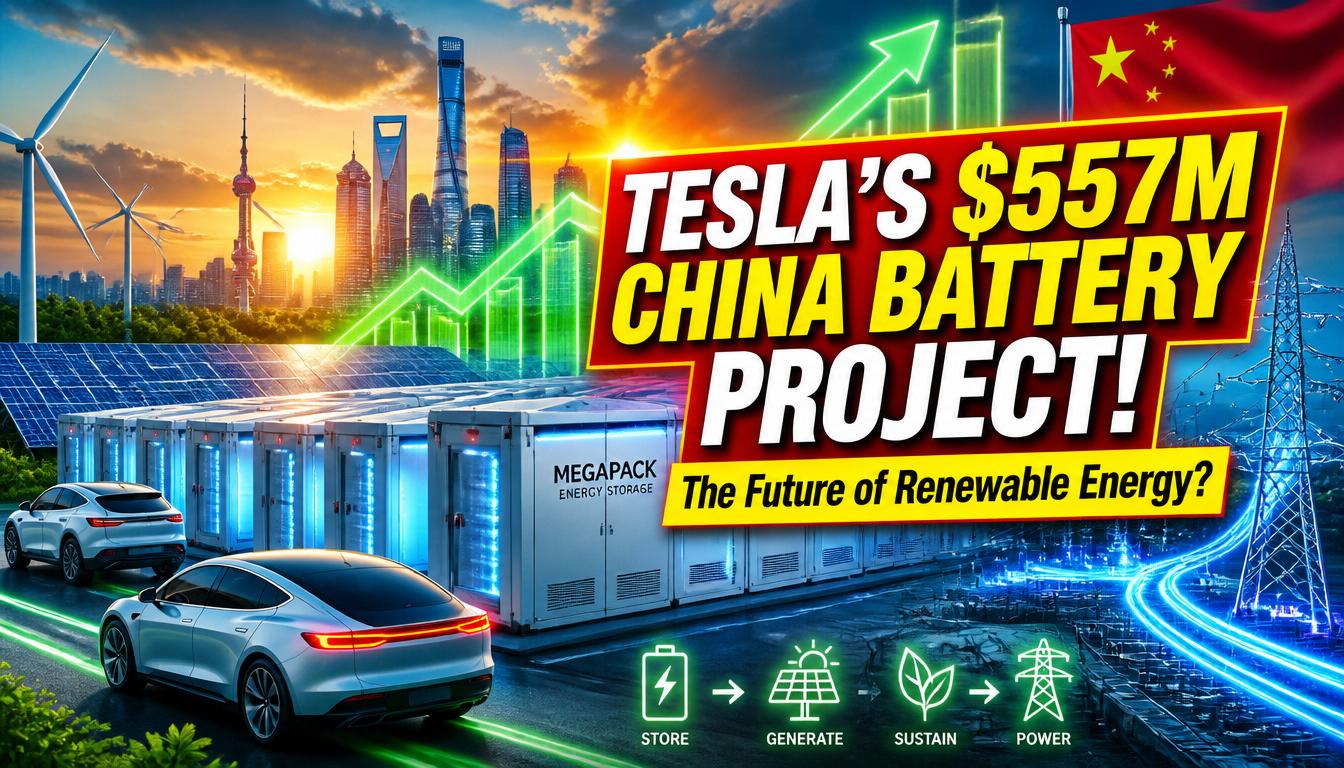
Tesla’s Shanghai project uses Megapack batteries, which are large storage units made for power grids and big energy systems. These batteries can help keep electricity steady, support renewable energy, and reduce stress on the grid. In simple words, they help clean energy work better for cities, businesses, and homes.
This article explains what the project is, why China is important, how Megapack batteries work, and what this means for the future of clean energy. If you want to understand why battery storage is becoming such a big deal, this guide will make it easy.
What Tesla Is Building in Shanghai and Why It Matters
Tesla’s battery project in Shanghai is not about cars. It is about storing electricity on a very large scale. The company is building a grid-scale battery storage station that uses Megapack batteries. These batteries are made to hold a huge amount of energy and release it when the power grid needs help. This is very different from the small battery inside a phone or even inside an electric car.
The main idea is simple. When solar panels or wind turbines make extra electricity, that power does not have to be wasted. It can be stored in the batteries and used later. This is very helpful because electricity demand changes during the day. People use more power in the evening, when lights, air conditioners, and machines are all running at the same time. Battery storage helps fill that gap.
This project matters because it shows Tesla is growing beyond car sales. The company is building a stronger energy business that can support clean power systems in many places. That is important for Tesla’s future, but it is also important for the world. More battery storage means more room for renewable energy to grow. It also means less need to depend on dirty fuels when electricity demand rises.
A real-life example can help explain this. Imagine a city with many solar panels on rooftops. During the day, those panels may make more electricity than people need. Without storage, some of that power may be lost. With a battery system, the extra energy can be saved and used at night. That makes the whole system smarter and more useful. This is why Tesla’s Shanghai project is such a big step for clean energy.
Why China Is a Smart Place for Tesla’s Energy Growth
China is one of the most important clean energy markets in the world. The country is building solar farms, wind farms, and electric vehicle networks at a very fast pace. It also has a huge need for stable electricity because its cities, factories, and transport systems use a lot of power every day. That makes China a strong place for battery storage projects like Tesla’s.
Shanghai is especially important because it is a major business and technology center. It has strong transport links, skilled workers, advanced factories, and a large industrial base. Tesla already has a strong presence there through its car factory, so the city is not new to the company. This makes it easier for Tesla to grow its energy business in the same place. It can use local knowledge, local partners, and existing supply chains to move faster.
China also wants to reduce pollution and improve energy security. Renewable energy is a big part of that plan, but clean power needs storage to work well. Solar and wind power can change quickly because of weather and time of day. Battery systems help smooth those changes. They make the grid more stable and help avoid power shortages. That is why a project like this fits well with China’s long-term energy goals.
Another reason China is a smart choice is scale. When a country has a very large energy market, even one battery project can have a big effect. If the project works well, it can lead to more storage stations in other cities. It can also encourage other companies to invest in clean energy tools. In that way, Tesla’s Shanghai project is not just one local deal. It may become a model for bigger growth across the country.
How Megapack Batteries Help Renewable Energy Work Better
Megapack batteries are one of Tesla’s most important energy products. They are built for large-scale storage, not small personal use. Each unit can hold a large amount of electricity and send it back to the grid when needed. This makes them very useful for renewable energy systems, because solar and wind power do not always match the times when people use the most electricity.
The biggest strength of battery storage is balance. Solar power is strongest during the day, while electricity use often rises in the evening. Wind power can also change from hour to hour. Megapack batteries help balance these changes by storing extra energy and releasing it later. As a result, the grid becomes more stable and less likely to face sudden problems.
Battery storage also helps reduce waste. Sometimes renewable energy plants make more electricity than the grid can use right away. Without storage, some of that clean power may be cut off or lost. With batteries, that extra energy can be saved instead. This means more of the clean power that is produced actually gets used. That is a big win for both the environment and the power system.
There are also emergency benefits. If a power line fails or demand rises too quickly, battery storage can step in fast. It can help keep lights on in homes, schools, hospitals, and offices. For example, a hospital needs steady electricity for machines and patient care. A battery system can help protect that supply during a sudden problem. This is why experts often say storage is the missing link in clean energy. Without it, renewable power is helpful. With it, renewable power becomes much more reliable.
What This Project Means for Jobs, Business, and Local Growth
Large energy projects do more than support the power grid. They also create economic value. Tesla’s battery project in Shanghai can bring jobs during construction, installation, and long-term operation. Engineers, technicians, logistics workers, and support teams are all needed to build and maintain a system like this. That means the project can help local workers and local businesses at the same time.
The project can also support suppliers and service companies. A battery station needs parts, transport, safety checks, software support, and regular maintenance. Local firms may help with some of these tasks. When that happens, money stays in the local economy and more people benefit from the project. This is one reason governments often support clean energy investments. They can help the environment while also helping the economy.
Businesses also gain from better power reliability. Factories, data centers, shopping areas, and office buildings all need steady electricity. If the grid is unstable, work can slow down or stop. Battery storage helps reduce that risk. It can make power supply smoother during busy hours and help avoid costly interruptions. For companies, that can mean fewer delays and better planning.
There is also a wider community benefit. When clean energy systems become more reliable, people may trust them more. That can lead to more solar panels, more electric vehicles, and more support for green policies. A city that sees clean power working well is more likely to keep investing in it. In that way, Tesla’s project may help build confidence in renewable energy, not just in Shanghai but in other places too.
Expert Insight: Why Battery Storage Is the Missing Piece of Clean Energy
Many people talk about solar panels and wind turbines when they talk about clean energy. That makes sense because these tools make electricity without burning fuel. However, there is a problem. They do not make power all the time. The sun goes down. The wind changes. Demand also rises and falls during the day. Therefore, clean energy needs a way to save power for later use. That is where battery storage becomes so important.
An expert-style way to think about this is simple: renewable energy is the engine, but storage is the fuel tank. Without a fuel tank, the engine cannot keep going when conditions change. With storage, the system becomes much stronger. This is why battery projects are now seen as a key part of modern energy planning. They help turn clean power into dependable power.
Why this matters for homes and cities
Battery storage can help many different users, not just power companies. Also, it can make clean energy easier to use in daily life.
- Homes can use stored solar power at night.
- Schools can keep lights and computers running during outages.
- Hospitals can protect important equipment.
- Cities can reduce stress on the grid during peak hours.
- Electric vehicle charging stations can work more smoothly.
In addition, storage can help lower waste. If a solar farm makes extra power at noon, that energy does not need to disappear. It can be saved and used later when families come home from work and turn on lights, TVs, and air conditioners. As a result, the whole energy system becomes smarter and more efficient.
What investors and planners should watch
People who plan energy systems need to think about more than just how much power is made. They also need to think about when power is made and when it is used. On the other hand, if they ignore storage, they may build clean energy systems that still struggle during busy hours.
- Look at how much storage a grid really needs.
- Check how fast batteries can respond to demand changes.
- Compare battery costs with the cost of power outages.
- Study how storage supports solar and wind projects.
- Plan for long-term maintenance and safety.
Finally, the biggest lesson is this: clean energy works best when storage is part of the plan from the start. Overall, Tesla’s project in China shows that battery systems are not just extra tools. They are becoming a core part of the future energy network.
What Could Happen Next for Tesla and Global Clean Energy
Tesla’s Shanghai battery project may be only the beginning. If the station works well, Tesla could build more storage projects in China and other countries. The company already has strong experience in batteries, electric cars, and energy software. That gives it a good base for future growth. As more countries look for cleaner power, demand for large battery systems may keep rising.
Tesla may also keep expanding its Megapack production. More factories and more supply chain support could help the company deliver storage systems faster. This matters because many cities and utilities want clean energy solutions now, not years later. If Tesla can build and ship batteries at scale, it may become an even bigger player in the global energy market.
Possible next steps for Tesla
Also, Tesla may use this project as a model for other regions.
- Build more grid-scale battery stations in major cities.
- Work with local governments on renewable energy plans.
- Support solar and wind projects with storage systems.
- Improve battery software for better grid control.
- Expand energy storage sales beyond China.
However, growth will also bring challenges. Tesla will need to manage costs, safety, and competition. Other companies are also building battery systems, so Tesla cannot rely on its name alone. It must keep improving its products and services. Therefore, the company’s success will depend on both technology and trust.
What this means for the clean energy market
The wider clean energy market may change because of projects like this. In addition, more people may start to see storage as a must-have, not a nice-to-have.
- Solar and wind projects may include batteries from the start.
- Power grids may become more flexible and stable.
- Cities may reduce their use of backup fossil fuel plants.
- Electric vehicle charging may become easier to manage.
- Clean energy may become more trusted by businesses and families.
As a result, the whole market could move faster toward low-carbon power. Finally, Tesla’s China project shows that the future of energy is not only about making clean electricity. It is also about saving it, moving it, and using it at the right time. That is what makes battery storage so powerful.
Conclusion
Tesla’s battery project in China shows that the company is doing much more than making electric cars. It is also helping build a cleaner and stronger power system. By storing extra solar and wind energy, Tesla’s Megapack batteries can support the grid when demand goes up. This makes renewable energy more useful in daily life and helps cities use clean power in a smarter way.
Overall, the tesla china battery project renewable energy plan is a smart move for Tesla, China, and local communities. It can support jobs, improve energy reliability, and make clean power easier to trust. The big lesson is simple: renewable energy works best when storage is part of the plan. As more countries move toward clean energy, projects like this may become even more important for the future.
FAQs
Q: What is Tesla building in China?
A: Tesla is building a large battery storage station in Shanghai using Megapack batteries.
Q: Why are Megapack batteries important?
A: They store extra electricity and send it back when the grid needs more power.
Q: How does this help renewable energy?
A: It saves solar and wind power for later use, so less clean energy is wasted.
Q: Does this project help local people?
A: Yes. It can create jobs, support local businesses, and improve power reliability.
Q: Why is China important for Tesla?
A: China has a large clean energy market and strong demand for battery storage.
Q: What does this mean for Tesla’s future?
A: It shows Tesla is growing beyond cars and building a stronger energy business.