
Table of Contents
In today’s world, people share photos, videos, ideas, and stories every day. Social media has made it easier than ever to connect with others. However, many people feel that online content often shows only a small part of who they really are. Perfect pictures and carefully planned posts can sometimes hide real thoughts and feelings.
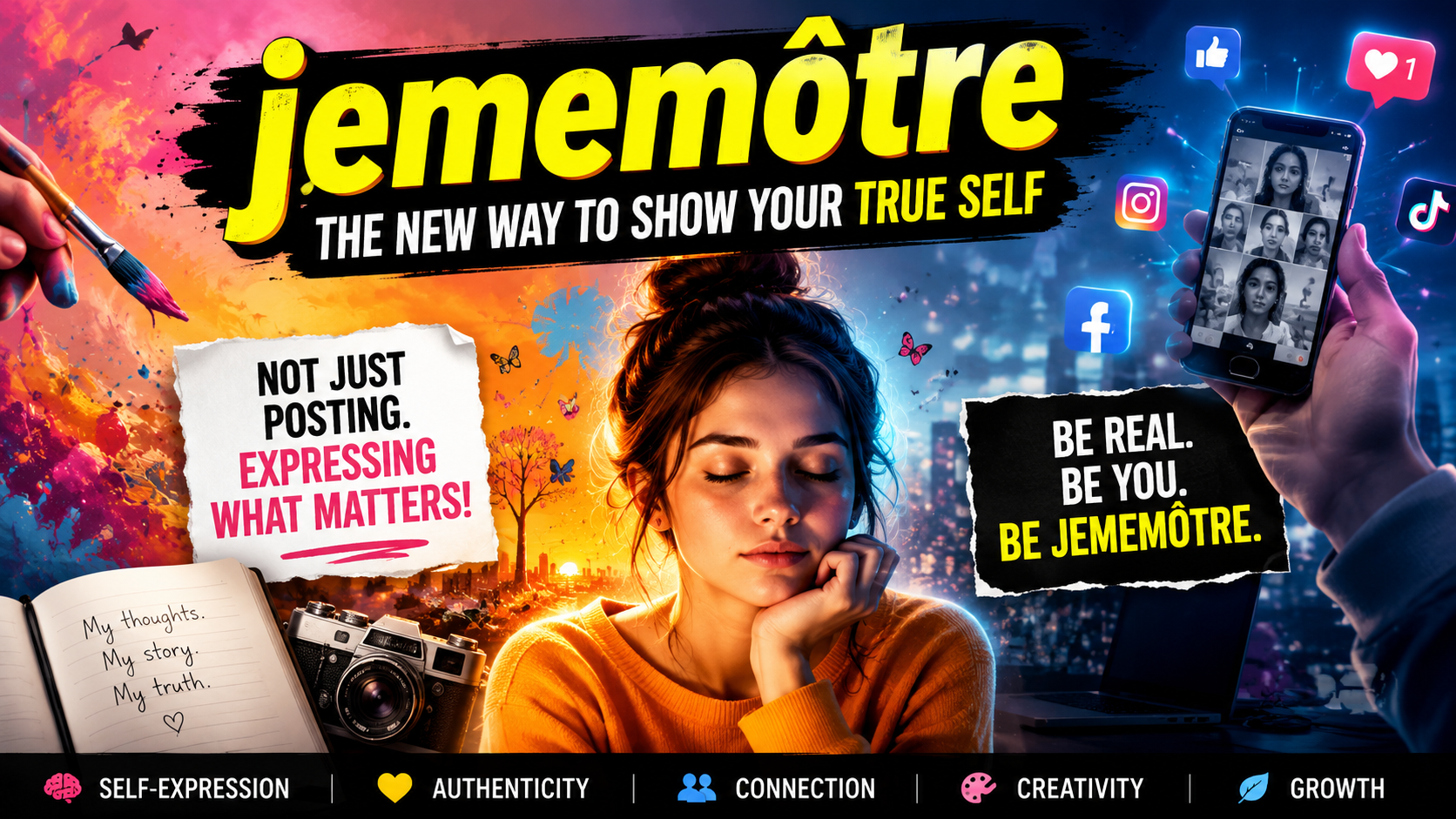
This is where jememôtre becomes interesting. It is a modern idea that encourages people to express themselves in a thoughtful and honest way. Instead of sharing content without thinking, it invites people to ask simple questions about meaning, identity, and purpose. It focuses on showing something real rather than trying to impress others.
The concept has gained attention because people are looking for more authentic ways to communicate. They want deeper connections and more meaningful conversations. As digital life becomes a bigger part of everyday life, many individuals are searching for ways to stay true to themselves while sharing their experiences online.
In this guide, you will learn what this concept means, where it came from, why it is becoming popular, and how it can help people express themselves in creative and meaningful ways.
What Is Jememôtre?
The idea behind jememôtre is simple. It encourages people to show their true thoughts, feelings, and experiences in a way that feels honest and meaningful. Rather than posting something just to get attention, it focuses on sharing with purpose. The goal is not perfection but authenticity.
Many people spend time creating an image of themselves online. They choose only their best moments and hide struggles or challenges. While there is nothing wrong with sharing positive experiences, this can sometimes create a gap between a person’s real life and their online presence. This concept tries to close that gap by encouraging genuine self-expression.
The word is often linked to the French phrase “je me montre,” which means “I show myself.” While the modern version is not an official dictionary term, it has become a creative symbol for thoughtful self-representation. It suggests that showing yourself is not just about being visible. It is about sharing something meaningful about who you are.
Today, this idea is being discussed in areas such as social media, art, design, fashion, and personal development. People see it as a way to create stronger connections and better understand themselves. Instead of focusing on appearance alone, it encourages people to share their values, ideas, and personal stories.
Why Authentic Self-Expression Matters Today
Modern technology has changed the way people communicate. Every day, millions of photos, videos, and messages are uploaded to online platforms. While this has created many opportunities, it has also made some people feel disconnected. They may feel pressure to look perfect or follow trends that do not reflect their true identity.
Authentic self-expression helps people build confidence and stronger relationships. When individuals share real experiences, others often find them more relatable and trustworthy. Honest communication can create meaningful conversations that go beyond likes, shares, and comments.
Experts in psychology often explain that self-expression plays an important role in emotional well-being. People who can communicate their feelings and experiences clearly may develop a better understanding of themselves. They can also feel more connected to the people around them. This is one reason why thoughtful sharing has become increasingly valuable.
Another important factor is trust. In a world filled with advertising, influencers, and carefully edited content, many users appreciate honesty. They want to see real stories and real experiences. By focusing on authenticity, people can build stronger personal and professional relationships while staying true to their values.
The Origins and Meaning Behind the Concept
Although the term itself is relatively new, the ideas behind it are not. Humans have always searched for ways to express identity and tell their stories. Long before social media existed, people used art, clothing, writing, music, and symbols to communicate who they were and what they believed.
Throughout history, cultures around the world have used creative expression as a way to share experiences. Traditional clothing often reflected family background or community identity. Paintings told stories about important events. Journals helped people understand their emotions. These practices all reflect the desire to express the self.
The modern concept builds on these older traditions while adapting them to the digital age. Instead of using only physical forms of expression, people now have access to digital tools, online platforms, and creative technologies. These new methods make it possible to share ideas with a global audience almost instantly.
What makes the concept unique is its focus on intention. It is not simply about showing yourself. It is about understanding why you are sharing something and what message it communicates. This deeper level of reflection helps transform ordinary content into meaningful self-expression.
How Digital Culture Has Helped It Grow
The rise of social media has played a major role in the popularity of this idea. Platforms allow people to share their lives with audiences around the world. While this creates exciting opportunities, it also raises questions about identity, authenticity, and personal expression.
Many users have noticed that social media can sometimes encourage comparison. People often see carefully edited versions of other people’s lives and may feel pressure to match those standards. As a result, there has been growing interest in more honest and meaningful ways of sharing experiences.
Digital creators have started focusing on storytelling rather than perfection. Instead of presenting only ideal moments, many now share lessons learned from challenges, failures, and personal growth. This shift reflects a desire for authenticity and deeper human connection.
Technology has also introduced new forms of creative expression. Digital art, short videos, podcasts, and interactive content allow people to communicate their ideas in unique ways. These tools support a more personal and creative approach to communication, making thoughtful self-expression more accessible than ever before.
Jememôtre in Art, Creativity, and Design
Artists have always explored questions about identity, emotion, and human experience. This is why many creative professionals find the concept especially meaningful. It provides a framework for creating work that reflects personal stories and authentic perspectives.
Modern artists often combine traditional methods with new technologies. Digital painting, interactive installations, virtual reality experiences, and artificial intelligence tools have expanded creative possibilities. These technologies allow artists to explore new ways of expressing emotions and ideas.
For example, a digital artist may create an artwork that changes based on viewer interaction. Another artist may combine cultural symbols with modern design elements to tell a story about personal identity. These projects encourage audiences to think about their own experiences and interpretations.
Creative expression is not limited to professional artists. Students, hobbyists, and everyday individuals can also use creative tools to communicate meaningful ideas. Whether through drawing, photography, writing, or design, people can use creativity as a powerful way to better understand themselves and connect with others.
The Role of Personal Identity and Growth
Understanding personal identity is an ongoing process. People change throughout their lives as they gain new experiences, develop new skills, and learn from different situations. Thoughtful self-expression can help individuals reflect on these changes and understand themselves more clearly.
Many people discover important insights about themselves through writing, creating art, or sharing personal stories. These activities encourage reflection and help people recognize patterns in their thoughts, emotions, and goals. Over time, this process can lead to greater self-awareness.
One expert-style insight often discussed in personal development is that identity is not something fixed. It evolves over time. The way people express themselves today may be different from how they expressed themselves five years ago. This natural evolution is a healthy part of growth and learning.
Real-life examples can be seen everywhere. A student may begin a journal to record daily experiences. A photographer may document personal growth through images. A content creator may share lessons learned from overcoming challenges. Each example demonstrates how self-expression can support personal development and confidence.
Practical Ways to Apply Jememôtre in Everyday Life
Many people assume that meaningful self-expression requires artistic talent or professional skills. In reality, anyone can practice it. Small actions often have the greatest impact because they reflect genuine experiences rather than carefully constructed performances.
Start With Reflection
Before sharing something, take a moment to think about why it matters. Ask yourself simple questions:
- What does this experience mean to me?
- Why do I want to share it?
- What message does it communicate?
- Does it reflect my real thoughts or feelings?
This habit encourages mindful communication and helps create more meaningful content.
Use Creative Outlets
There are many ways to express yourself creatively. For example:
- Writing personal stories
- Keeping a journal
- Taking meaningful photographs
- Creating digital artwork
- Recording voice notes
- Designing visual projects
Außerdem, creative expression does not need to be public. Private reflection can be just as valuable as sharing with others.
Focus on Consistency Instead of Perfection
Many people worry about creating perfect content. However, authentic self-expression is not about perfection. It is about honesty and growth. Small, consistent efforts often reveal more about a person’s journey than highly polished content.
Jedoch, it is important to maintain healthy boundaries. Not every thought or experience needs to be shared publicly. Thoughtful expression includes knowing what to keep private.
The Future of Jememôtre and Digital Expression
As technology continues to evolve, new opportunities for self-expression will emerge. Artificial intelligence, virtual reality, and immersive digital environments are already changing how people create and share content. These innovations may offer entirely new ways to communicate identity and personal experiences.
New Technologies and Creative Possibilities
Future developments may include:
- Personalized virtual environments
- Interactive storytelling experiences
- AI-assisted creative projects
- Digital spaces built around personal identity
- More immersive forms of communication
Daher, individuals may have greater freedom to express themselves through customized digital experiences that reflect their values and personality.
Challenges and Opportunities
While new technology creates exciting possibilities, it also brings challenges. People must continue to think carefully about privacy, authenticity, and responsible sharing. Maintaining genuine communication will remain important as digital tools become more advanced.
Schließlich, the future of meaningful self-expression will depend on how people use technology rather than the technology itself. Tools can support creativity, but authenticity comes from personal intention and honest communication. Those who focus on genuine expression will likely continue building stronger relationships and deeper connections in both digital and real-world environments.
Conclusion
The idea of jememôtre reflects a growing desire for authenticity in a fast-moving digital world. People want more than perfect images and carefully planned content. They want meaningful ways to express their thoughts, feelings, and experiences. By focusing on intention and honesty, this concept helps individuals create deeper connections with themselves and others.
As technology continues to change the way we communicate, the value of authentic self-expression will remain important. Whether through art, writing, photography, design, or everyday conversations, thoughtful sharing can help people better understand who they are. The key takeaway is simple: meaningful expression starts with honesty, reflection, and a willingness to show your true self.
FAQs
Q: What does Jememôtre mean?
A: It refers to showing your true self in a thoughtful, honest, and creative way.
Q: Is Jememôtre an official French word?
A: No. It is inspired by the French phrase “je me montre” but is used as a modern concept.
Q: Why is this idea becoming popular?
A: Many people are looking for more authentic ways to express themselves online and offline.
Q: Can beginners practice Jememôtre?
A: Yes. Anyone can start by sharing thoughts, experiences, or creative work in a meaningful way.
Q: Is it only connected to art?
A: No. It can be applied to daily life, communication, personal growth, social media, and creativity.
Q: How can I start using this concept today?
A: Begin by reflecting on your experiences and sharing content that genuinely represents your thoughts and values.